

Hard water 101
Where white crust comes from and how to test your own tap.
Water softener installation · Green Bay, Wisconsin
Most homes in Green Bay drink treated Lake Michigan water. It is filtered, tested thousands of times a year and safe to drink, yet it still carries the calcium and magnesium that leave crust on a showerhead and a cloudy film on glasses. Green Bay Water Softener installs and replaces softeners, and installs whole-house filter and softener systems, Iron Curtain iron filters and reverse osmosis drinking water systems. Here is how to tell which problem you have.
Where your water comes from
The Green Bay Water Utility’s 2025 Annual Drinking Water Report names Lake Michigan as the city’s main source. The water is treated at the utility’s filtration facility before it travels through city mains. The report also lists eight backup wells that are kept for emergencies only and are not used under normal conditions. Hardness travels with the water at every step from the lake to your tap. What changes near the end is your own plumbing, such as pipe age, the water heater and any older treatment equipment.
That report is a safety and compliance document. It covers disinfection by-products, fluoride, nitrate, lead and copper sampling, sodium and a handful of other substances. It does not include a hardness row, because calcium and magnesium are not health contaminants and no federal rule asks a water plant to report them. The 2024 report has the same structure.
The utility does answer the hardness question in an online FAQ, and it says plainly that its water is neither soft nor hard. That page carries no date for its measurement, so we do not repeat its number. A figure without a year can drift out of step with the water you actually have, and it can push a household toward the wrong size of equipment or toward equipment it does not need.

Signs worth a closer look
None of these signs proves your water needs treatment. They tell you where to look and what to measure first. A few of them, like rust-colored stains, point to iron or old pipe rather than hardness, which calls for a different fix.
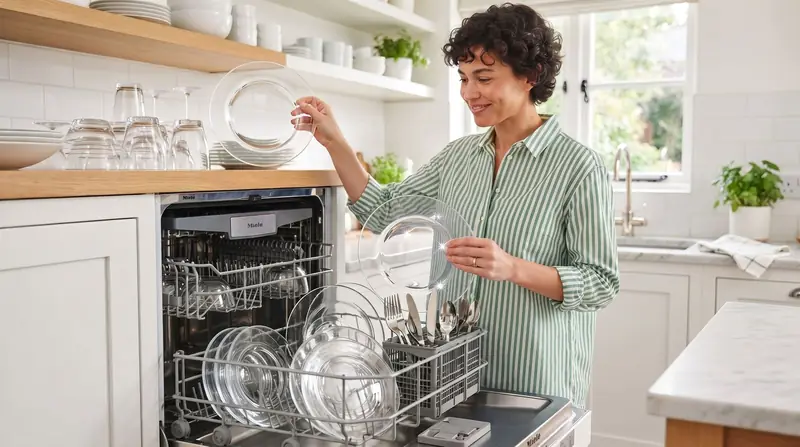



White rings on glasses, a gray haze on dark dishes and chalky crust around faucet aerators are the most common signs of dissolved minerals drying on a surface.

Hardness ions react with soap and leave a sticky scum. Some people notice stiffer towels or need more detergent to get the same result.

Those point toward iron, which usually comes from old pipe, a water heater or a private well. A softener is not the first answer for that.
Your options
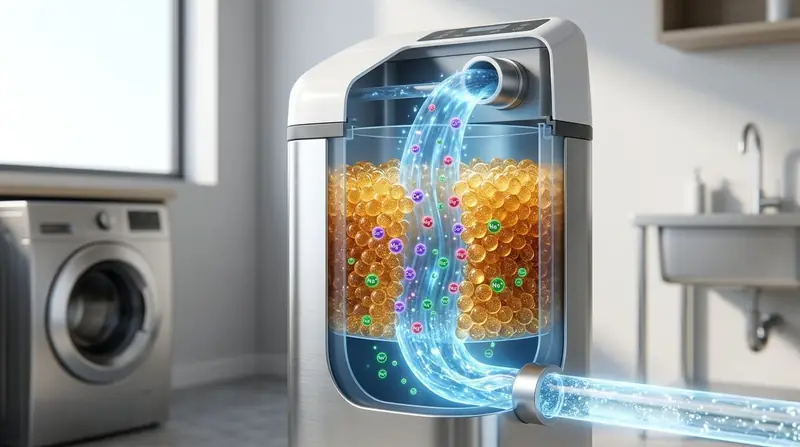
A softener swaps calcium and magnesium for sodium or potassium so scale stops forming in the water heater, fixtures and appliances. It needs salt, a drain and some floor space. We install new softeners and replace older ones: see what our softener installation involves.
Taste, odor, sediment and iron each have their own filter types. Pairing one with a softener only makes sense when a test shows both are needed. We install whole-house filter and softener systems and, where a test or your source shows iron, Iron Curtain iron filters.
Plenty of households on city water decide the spots are a cleaning chore, not a problem worth equipment and salt. That is a reasonable call, and the guide Do you need one? walks through it.
Measure before you decide
For iron, manganese or anything health related, use a state-certified lab rather than a strip.

Guides
Where white crust comes from and how to test your own tap.

A worksheet you fill in with your own test result.
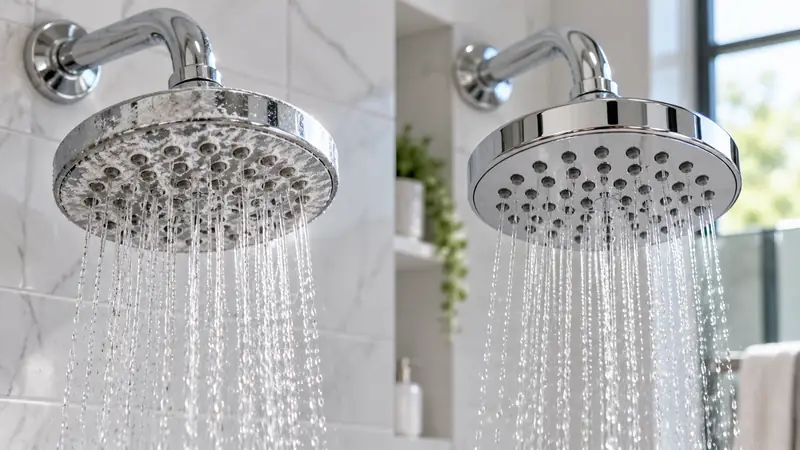
What changes at the sink, in the shower and in the laundry.
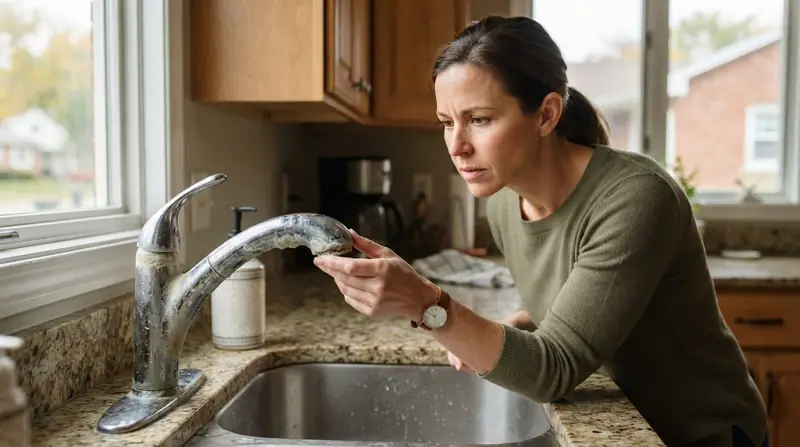
A step-by-step check before you call.
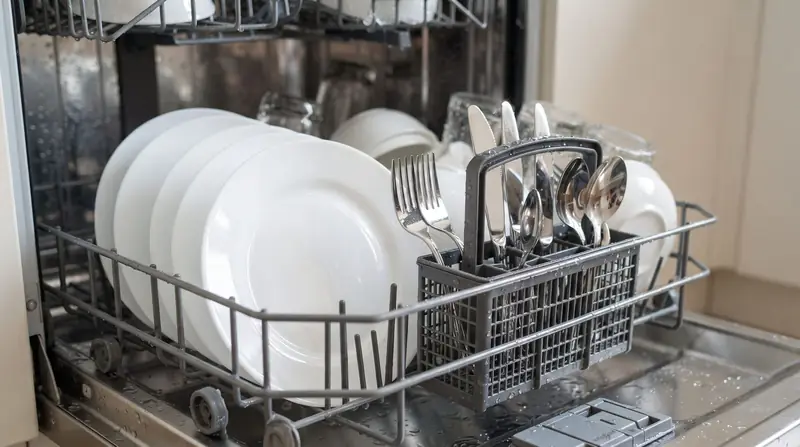
A decision guide for homes on the city supply.
Call with your test result and the signs you are seeing, and we can talk through which system we would install for that problem. A correctly sized and set softener typically means less scale and spotting; results depend on your water and settings.
The utility publishes an annual report comparing its results with federal and state standards. Hardness is not a safety issue; it affects cleaning, scale and appliance wear.
The dated annual reports do not include one, and the utility’s FAQ figure has no measurement date. Your own tap test is current and specific to your home.
No. A softener removes hardness minerals. It is not a treatment for bacteria, lead or other health concerns.
Green Bay, Wisconsin
Our map shows 118 S Adams St, Green Bay, WI 54301. Please contact us before visiting if you have questions about getting here or want to discuss your water.
Contact us
Tell us what you are seeing and how to reach you. You can also call 920-678-7116 if you would rather talk by phone.